
My Facebook Marketplace Furniture Gave Me Bed Bugs

by Tulsa Bed Bug Specialist | Jun 2, 2026
You’re scrolling your phone late one night. Your old bed frame gave out, and you need one fast.
You spot it on Facebook Marketplace: a solid wood frame, barely used, priced to move. You haul it home that evening.
A few days later, the itching starts. Red welts cover your arms each morning.
One night you pull back the sheets, and there it is on the mattress seam. A bed bug.
That is how a cheap find becomes a bed bug removal project. This is one of the most common stories I hear on the job.
After treating infestations across hundreds of homes, I’ve heard nearly every version of it. Used furniture is one of the most common ways bed bugs travel between homes. That is why the U.S. Environmental Protection Agency lists checking secondhand furniture before you bring it home as a core prevention step.
Bed bugs are expert hitchhikers. They ride into a home tucked inside seams, cracks, and joints, then spread from a single chair or frame to the rest of the bedroom. So the piece that seems like a steal can quietly turn into the most expensive purchase of the year.
The trouble is that most buyers don’t know what to look for. According to the National Pest Management Association, only 29% of Americans know how to identify bed bugs. That gap is exactly what a five-minute inspection is meant to close.
The good news is you don’t have to swear off secondhand shopping. A two-minute inspection now beats weeks of treatment later. You just need to know where to look before anything crosses your threshold.
Always ask yourself: why is this such a good deal? A seller eager to move bedroom or upholstered furniture quickly is worth a closer look.
What Are the Signs of Bed Bugs on Used Furniture?
Before money changes hands, learn how to spot the signs of bed bugs on any piece you’re considering. You rarely see a live bug in daylight, so you’re really hunting for the traces they leave behind. Three clues give an infestation away:
- Reddish-brown stains. Smears of crushed bugs or droppings left on fabric and wood.
- Salt-and-pepper debris. Pale eggs mixed with dark fecal specks, a telltale sign of bed bug eggs on furniture.
- Molt skins and dead bugs. Shed exoskeletons and carcasses tucked into seams and crevices.
Spot even one of these clues and I’d walk away, no matter how good the price. A single missed sign at the curb can turn into a bedroom-wide problem within weeks.
Where Should You Inspect Each Type of Furniture?
Bring a flashlight and check every hiding spot before you load anything. Bed bugs wedge into seams, joints, and screw holes where they are easy to miss. Move slowly and look at the places a quick glance skips over.
- Bed frame: Check the screw holes, joints, and cracks in the wood.
- Box spring: Look at exposed wood, under the dust cloth, and around the staples.
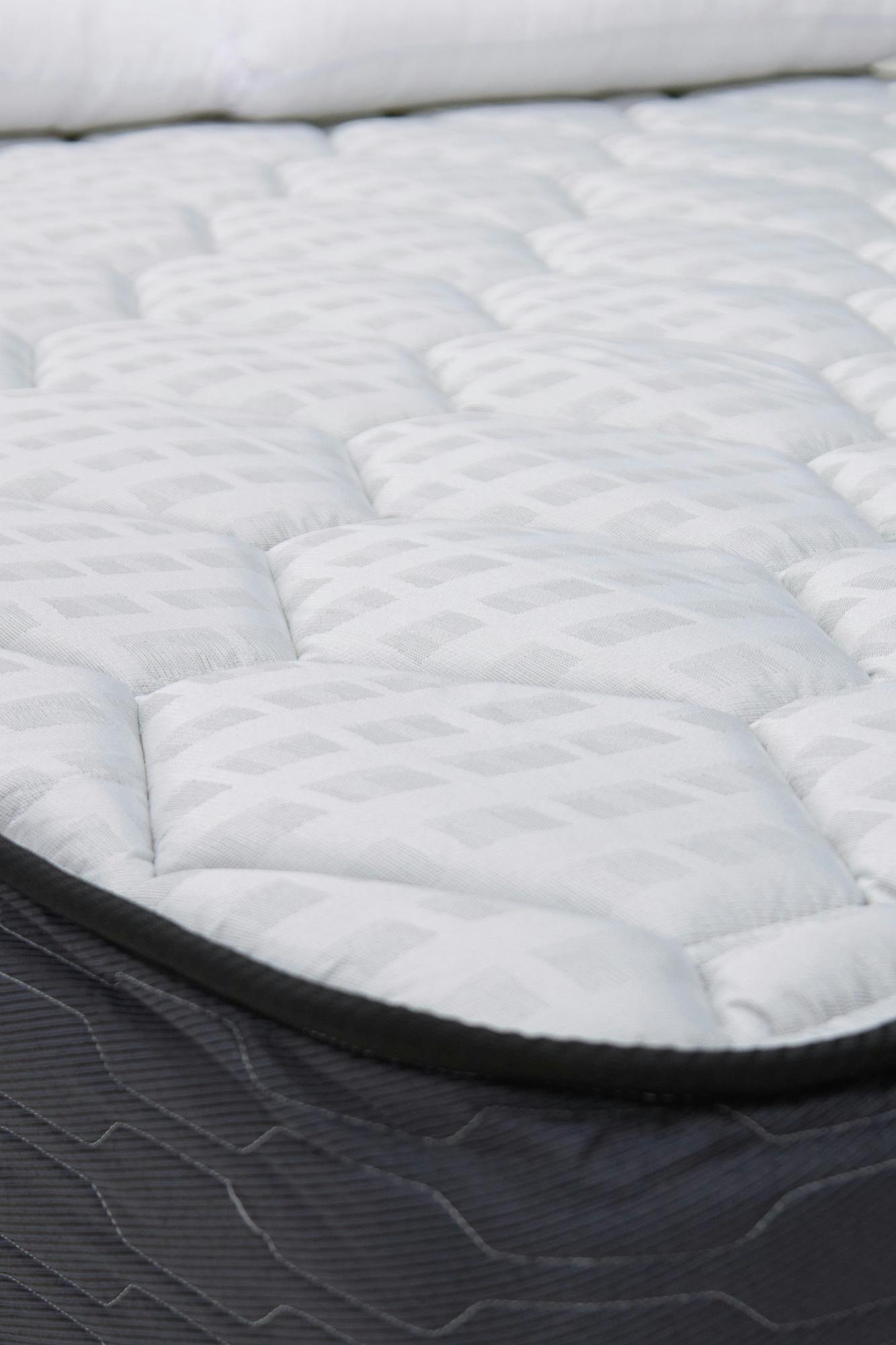
- Mattress: Inspect the bottom seams, the corners, and the manufacturer’s tag.
- Recliner: Examine the underside of the leg rest and the armrest seams.
- Headboard: Scan the edges, the back, the screw holes, and behind button tufting.
- Platform or mechanical frame: Check the staples and every moving joint.
- Couches: Trace the piping seam along the top of the back, under the feet, and cushion-frame gaps.
- Antique furniture: Look behind upholstery, button tufting, old screw holes, and cracks.
Take your time with soft, upholstered pieces especially. Fabric, padding, and hidden framing give bed bugs far more places to hide than a bare metal frame does.
Is a Secondhand Furniture Deal Worth the Risk?
Secondhand furniture is one of the real joys of budget decorating, and the goal here isn’t to scare you off Marketplace or Craigslist. A two-minute inspection can save you weeks of stress and hundreds of dollars in treatment.
Here’s why a piece that looks clean can still be risky. According to the EPA, bed bugs can survive several months to a year without feeding. An empty-looking frame may still be hiding them.
They also don’t stay few for long. Penn State Extension reports that each female can lay up to 5 eggs per day and about 500 eggs in her lifetime. A couple of stowaways today can become a full infestation before you notice a single bite.
So weigh the savings against that math. The money you save on a frame won’t cover the cost of clearing an infestation it invited in.
The deal can still be good. Just check the screw holes first.
Do You Need Bed Bug Removal If the Furniture Is Already Home?
Sometimes you spot the evidence only after the piece is already in your bedroom. Don’t drag it to the curb just yet. Tossing a piece often spreads bugs through the house on the way out and rarely solves the problem.
Infested couches, chairs, and upholstered pieces can often be treated at the seams, joints, and internal areas. That preserves the furniture instead of forcing you to throw it out, and it’s where professional bed bug removal comes in.
What sets our team apart is breadth of coverage into the tough situations most companies handle poorly. That includes RVs, vehicles, and vacant properties, where we use host-mimicking traps to lure hidden bed bugs into the open. Every visit runs in unmarked vehicles with no signage, and we speak only with the person who scheduled the appointment.
A rapid swab test confirms an infestation with 90% accuracy in about five minutes, so you know what you’re dealing with before treatment starts. Full-service treatment carries a 90-day warranty after the second treatment, and it includes free follow-up visits.
If that Marketplace find turned into a problem, the fix is simpler than starting over with new furniture. A quick call gets you a clear plan and an honest quote. Contact Tulsa Bed Bug Specialist today for a free inspection.
Frequently Asked Questions
How Do You Tell If Used Furniture Has Bed Bugs?
Look for three things: reddish-brown stains, salt-and-pepper debris of eggs and fecal specks, and shed molt skins or dead bugs. Check the seams, joints, and screw holes with a flashlight before you buy.
What Does Bed Bug Treatment Cost?
Standard treatment averages $350 to $500 per room, priced upfront with no hidden fees. Whole-home heat treatment for severe cases runs higher, roughly $1,500 to $4,000 or more.
You get a clear quote before any work begins, so there are no surprises on the invoice. Full-service work is backed by a 90-day warranty after the second treatment.
Is Bed Bug Treatment Safe for Kids and Pets?
Yes, we use odorless, professional-grade products applied per the EPA label and Oklahoma Department of Agriculture regulations. When you follow the simple instructions, treatment is safe for children and pets. For especially sensitive spaces, a sprayless approach uses vacuuming, steam, and encasements instead of liquids.
How Should You Prepare for a Bed Bug Treatment?
Prep is minimal. We send a short checklist beforehand, usually laundering bedding and clearing clutter around beds so we can reach the hiding spots. There is no need to bag up your entire home.
Will My Neighbors Know You Were Here?
No, our service vehicles are completely unmarked with no signage, so nothing announces a bed bug visit. We communicate only with the person who scheduled the appointment, keeping the matter private. Discretion is built into every job, whether we treat a single home or a multi-unit building.
Recent Comments