
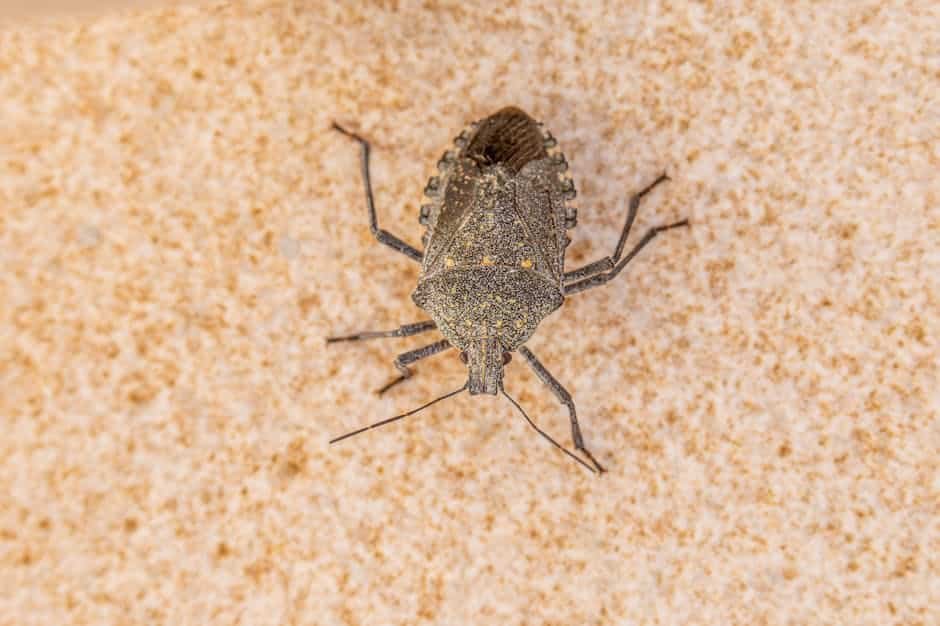
After Exterminator Sprays for Bed Bugs: What to Expect and How to Prepare
When you’ve finally taken the step to hire a professional exterminator to tackle your bed bug infestation, you’ve made a crucial decision toward reclaiming your peaceful sleeping environment. However, understanding what happens after the exterminator sprays for bed bugs is essential for ensuring the treatment’s success and your family’s safety. The post-treatment phase requires careful attention to specific protocols and realistic expectations about the elimination process.
Professional bed bug treatment involves sophisticated pest control methods that go far beyond simple spraying. Modern exterminators use integrated pest management approaches that may include chemical treatments, heat applications, and targeted insecticide applications. The aftermath of these treatments requires homeowners to follow specific guidelines to maximize effectiveness while maintaining safety standards. If you’re wondering about the various options available, you might find valuable information on choosing the right bed bug treatment for your home in Tulsa.
Immediate Post-Treatment Safety Protocols
The first 24 to 48 hours after professional bed bug treatment are critical for both safety and treatment efficacy. Most professional exterminators will provide specific instructions about when it’s safe to re-enter treated areas, but general guidelines typically require waiting 2-4 hours for most chemical treatments before returning to your home. For insights into finding a reliable service, check out our guide on finding the right bed bug exterminator near me in Tulsa.

Before re-entering, ensure proper ventilation by opening windows and doors to allow fresh air circulation. This helps dissipate any chemical odors and ensures optimal air quality. If you experience any respiratory irritation, headaches, or unusual symptoms after returning to treated areas, leave immediately and contact your exterminator or healthcare provider.
Children, pregnant women, and individuals with respiratory conditions should exercise extra caution. Consider arranging alternative accommodations for 24-48 hours if anyone in your household falls into these categories. Pet owners should also verify with their exterminator about when it’s safe for animals to return to treated spaces.
Avoid touching treated surfaces unnecessarily during the initial post-treatment period. When you must handle items in treated areas, wash your hands thoroughly afterward. Keep food preparation areas covered and avoid placing food items on treated surfaces until the specified waiting period has elapsed.
What to Expect During the Elimination Process
Understanding the bed bug elimination timeline helps set realistic expectations and prevents premature conclusions about treatment failure. According to the Environmental Protection Agency, bed bugs have complex life cycles that affect treatment timing and effectiveness.
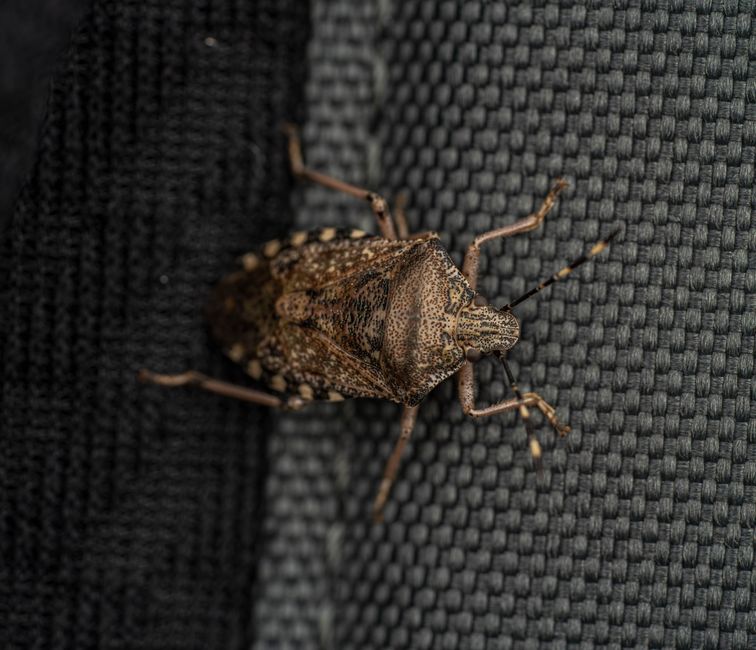
You may notice increased bed bug activity immediately after treatment. This phenomenon, known as “flushing,” occurs because pesticides irritate bed bugs and force them out of their hiding places. Don’t panic if you see more bugs during the first 24-48 hours – this actually indicates the treatment is working by disrupting their normal behavior patterns.
Complete elimination typically requires 2-8 weeks, depending on the severity of the infestation and treatment method used. Chemical treatments may require multiple applications spaced 10-14 days apart to target newly hatched bed bugs that weren’t affected by the initial treatment. Heat treatments often provide faster results but may still require follow-up inspections.
Dead bed bugs may continue appearing for several days after treatment. This is normal and expected. However, if you continue seeing live, active bed bugs after two weeks, contact your exterminator to discuss additional treatment options or warranty coverage.
Monitor for new bites, though remember that bed bug bite reactions can be delayed. Some people don’t react to bed bug bites at all, while others may experience delayed reactions up to nine days after being bitten. Keep a log of any new bite occurrences with dates and locations to help track progress.
Essential Cleaning and Maintenance Guidelines
Post-treatment cleaning requires a delicate balance between maintaining treatment effectiveness and ensuring cleanliness. Avoid heavy cleaning or washing of treated areas for at least two weeks unless specifically instructed otherwise by your exterminator. Premature cleaning can remove residual pesticides that continue working to eliminate bed bugs over time.
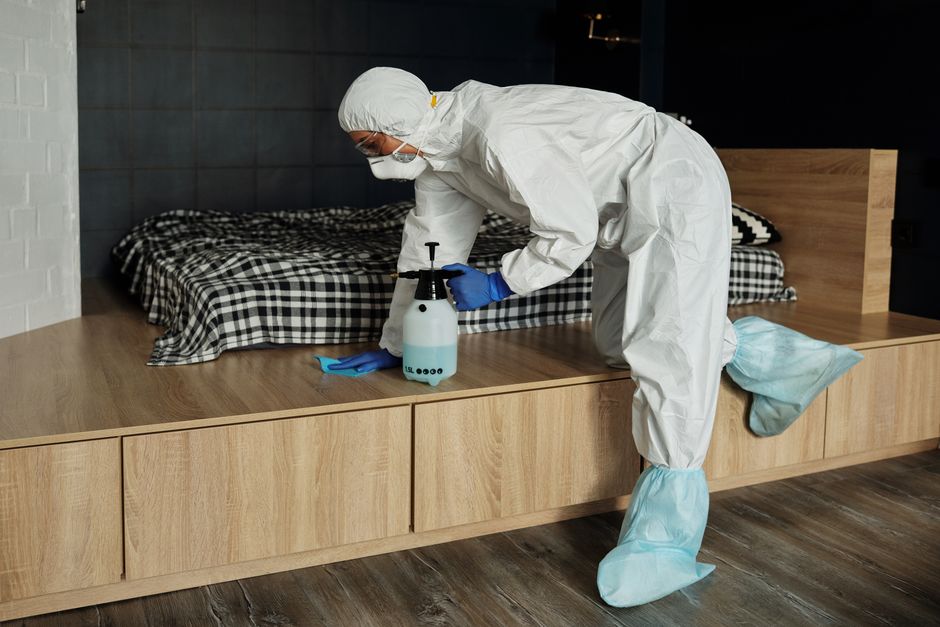
When cleaning is necessary, use minimal water and avoid harsh chemicals that might neutralize treatment products. Vacuum regularly using a HEPA filter vacuum, paying special attention to mattress seams, bed frames, and upholstered furniture. However, avoid vacuuming treated surfaces where visible pesticide residue remains until your exterminator approves.
Laundry management becomes crucial during this period. Wash and dry all clothing, bedding, and fabric items that may have been exposed to bed bugs using the highest heat settings safe for the materials. The University of Minnesota Extension recommends maintaining dryer temperatures above 120°F for at least 30 minutes to kill all bed bug life stages. For more about pest control technologies, consider this resource on bed bug pest control technologies Tulsa.
Store cleaned items in sealed plastic bags or containers to prevent re-infestation. Avoid placing clean items directly on beds or furniture until you’re confident the treatment has been successful. Create designated “clean” and “potentially contaminated” zones in your home to prevent cross-contamination.
Replace or treat items that cannot be washed, such as books, electronics, or delicate fabrics. Some items may require professional cleaning or disposal if they cannot be adequately treated. Consult with your exterminator about salvaging valuable items that may harbor bed bugs.
Preventing Re-infestation and Long-term Success
Successful bed bug elimination extends beyond the initial treatment phase. Implementing comprehensive prevention strategies ensures long-term success and protects your investment in professional pest control services. Understanding how bed bugs spread and establishing protective barriers becomes essential for maintaining a bed bug-free environment.
Inspect second-hand furniture, clothing, and other items before bringing them into your home. Bed bugs commonly spread through infested furniture, luggage, and clothing from infected locations. Establish a quarantine protocol for new items, especially those from unknown sources or high-risk environments like hotels or dormitories.
Regular monitoring and early detection systems help identify potential re-infestation before it becomes established. Install bed bug interceptors under bed legs and monitor them weekly for captured bugs. These inexpensive devices serve as early warning systems and can detect new activity before infestations become widespread.
Maintain clutter-free environments that eliminate hiding places for bed bugs. Focus particularly on bedroom areas where bed bugs prefer to establish colonies near their food source. Regular vacuuming and laundering of bedding items helps maintain cleanliness while providing opportunities to detect new activity.
Travel precautions become increasingly important once you’ve experienced a bed bug infestation. Inspect hotel rooms thoroughly before settling in, store luggage in bathrooms during inspection, and launder all travel clothing immediately upon returning home. The Centers for Disease Control and Prevention provides comprehensive guidelines for preventing bed bug encounters during travel.
When to Contact Your Exterminator Again
Recognizing when additional professional intervention becomes necessary protects your investment and ensures complete elimination. Most reputable exterminators provide warranties or guarantees covering their services for specific periods, typically 30-90 days depending on the treatment method and company policies.
Contact your exterminator immediately if you observe live bed bug activity two weeks after the final treatment application. Document any sightings with photos, dates, and locations to help professionals assess the situation accurately. Don’t attempt additional treatments yourself, as this may interfere with warranty coverage or professional assessment.
New bite patterns appearing after the expected healing period for previous bites may indicate treatment failure or re-infestation. However, remember that distinguishing bed bug bites from other insect bites requires professional expertise, as many insects produce similar bite patterns.
Unusual odors, stains, or other signs associated with bed bugs warrant professional evaluation. Sweet, musty odors often indicate large bed bug populations, while rust-colored or dark stains on bedding may indicate bed bug fecal matter or blood stains from feeding activity. For an understanding of what professional services entail, including potential costs, review the Cost of Bed Bug Extermination Tulsa: 2026 Pricing Guide and Treatment Options.
Schedule follow-up inspections even if no activity is observed. Many professional services include complimentary follow-up visits to ensure treatment success. These inspections provide peace of mind and professional verification that elimination efforts have succeeded.
Signs of Successful Treatment vs. Reinfestation
Distinguishing between treatment success and potential reinfestation requires understanding the typical timeline of bed bug elimination and recognizing warning signs that indicate additional intervention may be needed.
Successful treatment indicators include a steady decrease in live bug sightings, absence of new bite marks, elimination of blood spots on bedding, and disappearance of the characteristic sweet, musty odor associated with bed bug infestations. Most residents notice significant improvement within 2-3 weeks of professional treatment.
However, several factors can complicate treatment success. Pesticide resistance has become increasingly common among bed bug populations, potentially requiring alternative treatment methods. Incomplete treatment coverage may leave surviving populations in untreated areas, leading to rapid re-establishment of the infestation.
Warning signs that suggest treatment failure or reinfestation include continued bite marks appearing on occupants, discovery of live bugs more than 3-4 weeks post-treatment, presence of new blood or fecal spots, and return of musty odors in sleeping areas. Additionally, finding bed bugs in previously unaffected rooms may indicate population spread rather than treatment success.
External reinfestation sources pose another challenge. Bed bugs can enter homes through luggage, second-hand furniture, visitors, or neighboring apartments in multi-unit buildings. Regular monitoring helps distinguish between treatment failure and new introductions from external sources.
After-Treatment Checklist
Re-Entering Treated Areas
After a bed bug treatment, wait a minimum of four hours before re-entering any treated areas unless your technician provides a different time frame. Always follow the specific instructions given by your technician, as treatment methods and products may vary.
Drying Clothing, Bedding, and Fabrics
Drying is one of the most critical steps after treatment. Drying kills bed bugs, while washing alone does not. All bedding, loose clothing, clothing on the floor, and dirty laundry should be dried on high heat for at least thirty minutes. Sanitizing cycles may also be used. In most cases, clothing hanging in closets and items inside dressers do not need to be dried unless the infestation is severe. Your technician will advise if additional items require treatment.
Avoid Sabotaging the Treatment
Do not use foggers, sprays, or store-bought bed bug products after professional treatment. These products can dilute or neutralize the residual treatments applied by the technician. Avoid using cleaning or disinfecting products on beds, furniture, couches, recliners, or within a twelve-inch perimeter around treated furniture, as this can remove the product that continues killing bed bugs over time.
Furniture Movement and Disposal
Do not move, remove, or rearrange furniture after treatment. Moving furniture can cause bed bugs to relocate to untreated hiding spots. Removing furniture can eliminate surfaces that are actively killing bed bugs. Improper disposal of furniture may spread the infestation to other rooms or locations.
Bringing in New Furniture
Avoid bringing new furniture into treated rooms until the infestation has been completely eliminated. Bed bugs may move to untreated items and restart the infestation. Similarly, do not move clothing, blankets, or bedding from affected rooms into unaffected areas, as this can spread bed bugs throughout the home.
Sleeping and Normal Use of Furniture
Continue sleeping in your bed and using furniture as you normally would. Although it may feel uncomfortable, your presence helps draw bed bugs out of hiding so they come into contact with the treatment. When remaking the bed, use only one fitted sheet on the mattress and avoid multiple mattress pads or layers. Bed skirts should not be used for at least thirty days after treatment.
Items Stored Under Beds
Avoid placing items under bed frames until the infestation has fully died out. Items stored under beds can provide additional hiding places and prolong the treatment process.
Treatment Timeline and Expectations
It may take twenty-one to thirty days for the infestation to completely die out, depending on the severity. In many cases, significant improvement is seen within two weeks. Furniture such as recliners, couches, and mechanical beds may require longer treatment times due to the number of hiding places they provide.
Pet Bedding and Final Guidance
All pet bedding should be dried on high heat. If you have questions about pet areas or any instructions not covered here, always consult your technician. Following professional guidance and allowing the treatment time to work is the best way to ensure complete and lasting bed bug elimination.
Conclusion
Successfully navigating the post-treatment period after professional bed bug extermination requires patience, attention to detail, and adherence to professional guidelines. Understanding what to expect during the elimination process, following safety protocols, and implementing proper cleaning and prevention strategies significantly increases your chances of achieving complete bed bug elimination.
Remember that professional bed bug treatment represents an investment in your family’s health, comfort, and peace of mind. Working closely with qualified exterminators and following their specific instructions ensures optimal results and long-term success. With proper post-treatment care and ongoing prevention efforts, you can restore your home to a comfortable, bed bug-free environment where peaceful sleep becomes possible once again.
The key to successful bed bug elimination lies in understanding that the process extends beyond the initial treatment application. By maintaining realistic expectations, following professional guidance, and implementing comprehensive prevention strategies, you can achieve lasting results that protect your home and family from future bed bug infestations. Considering the cost-effectiveness of professional bed bug treatment Tulsa can help you make informed decisions.
Recent Comments