
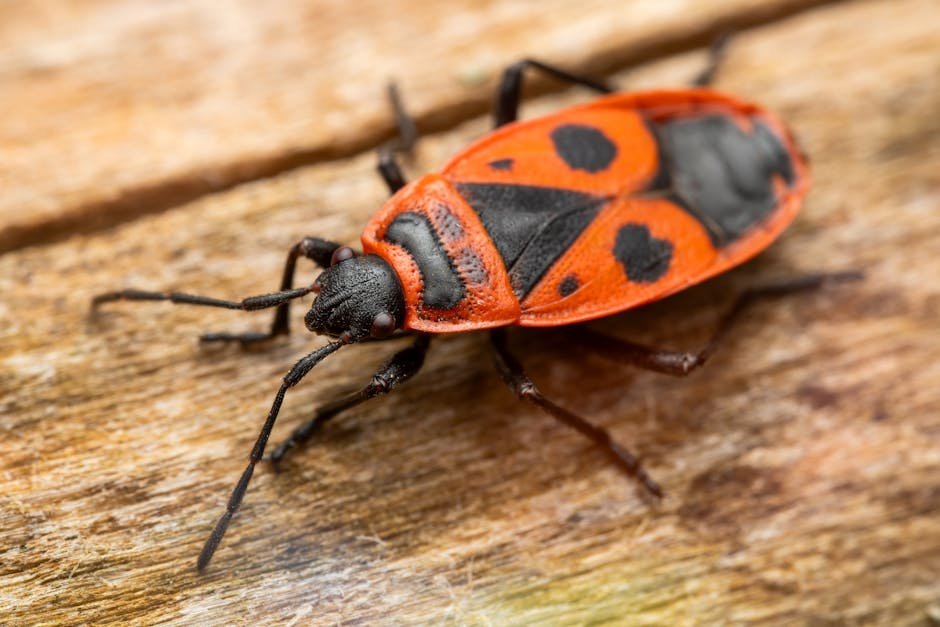
Bed Bug 3 Bites: Understanding the Pattern and What it Means
If you’ve woken up to find three bites arranged in a line or cluster on your skin, you might be dealing with a bed bug infestation. The phenomenon of “bed bug 3 bites” has become a well-known pattern that helps many people identify these persistent pests. Understanding this distinctive feeding behavior can be crucial for early detection and prompt treatment of bed bug problems in your home.
Bed bugs are nocturnal parasites that feed exclusively on blood, and they’ve developed specific feeding patterns that often result in multiple bites in close proximity. While not every bed bug encounter results in exactly three bites, this pattern is common enough to serve as a reliable indicator of their presence.
Why Bed Bugs Often Leave Three Bites
The “breakfast, lunch, and dinner” pattern of bed bug bites isn’t just coincidence—it’s rooted in their feeding behavior. Bed bugs are methodical feeders that often bite multiple times during a single feeding session. Several factors contribute to this triple-bite pattern:
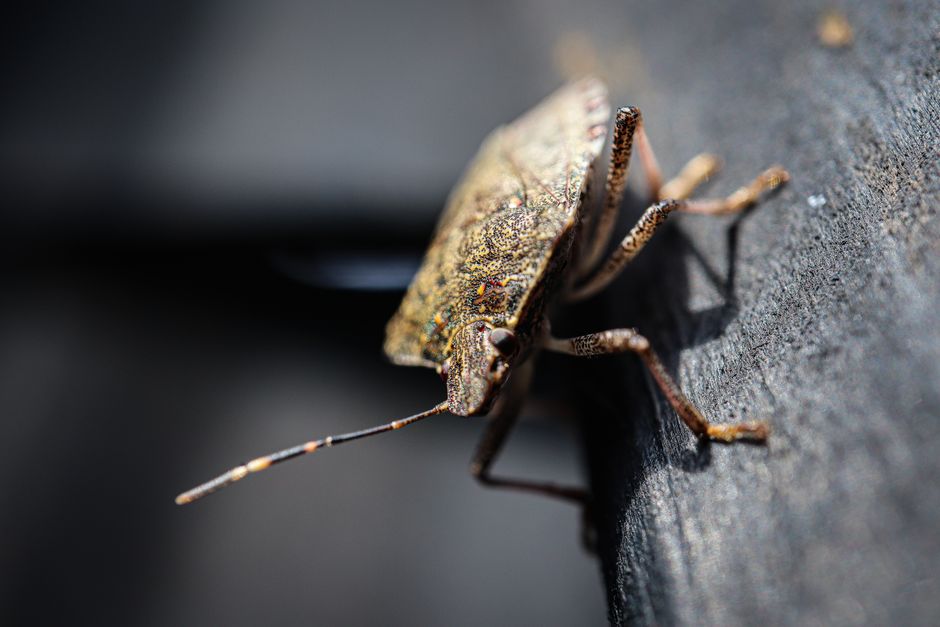
Feeding interruption: Bed bugs may be disturbed during their initial feeding attempt, causing them to relocate slightly and try again. This can happen when a sleeping person shifts position or unconsciously swats at the area being bitten.
Blood vessel location: If a bed bug’s first bite doesn’t immediately locate a suitable blood vessel, it will probe nearby areas until it finds an adequate feeding site. This exploratory behavior often results in multiple puncture marks.
Feeding efficiency: Some bed bugs prefer to take smaller, multiple meals rather than one large feeding. This behavior may be evolutionary advantageous, as it reduces the time spent exposed on the host’s skin.
The three-bite pattern typically appears as small, red, itchy bumps arranged in a line or triangle formation. These bites are usually spaced about an inch apart and may take several hours to develop visible symptoms.
Identifying Bed Bug Bites vs Other Insects
While the three-bite pattern is strongly associated with bed bugs, it’s important to distinguish these bites from those of other insects. Bed bug bites have several distinctive characteristics that set them apart:

- Linear arrangement: Bed bug bites often appear in straight lines or clusters, unlike random mosquito bites
- Size and appearance: Individual bites are typically small, red, and slightly raised, similar to mosquito bites but often more uniform in size
- Timing: Bed bug bites usually occur during sleep hours and on exposed skin areas
- Delayed reaction: Symptoms may not appear immediately, sometimes taking hours or even days to develop
- Persistent itching: The itching from bed bug bites tends to be more intense and longer-lasting than mosquito bites
According to the Centers for Disease Control and Prevention, bed bug bites can vary significantly in appearance between individuals, with some people showing no reaction at all while others develop severe allergic responses.
Health Implications and Treatment
While bed bug bites are generally not considered dangerous from a disease transmission standpoint, they can cause significant discomfort and secondary health issues. The primary concerns associated with bed bug bites include:

Allergic reactions: Some individuals may experience severe allergic responses to bed bug saliva, resulting in large, painful welts or even anaphylactic reactions in extreme cases.
Secondary infections: Excessive scratching of bite sites can lead to bacterial infections, particularly if proper wound care isn’t maintained.
Sleep disruption: The psychological stress and physical discomfort from bites can severely impact sleep quality and mental health.
For immediate bite treatment, consider these approaches:
- Clean the affected area with soap and water to prevent infection
- Apply cold compresses to reduce swelling and itching
- Use over-the-counter antihistamines or topical corticosteroids for severe itching
- Avoid scratching to prevent secondary infections
- Seek medical attention if signs of infection or severe allergic reactions develop
The Mayo Clinic emphasizes that while bed bug bites themselves are not dangerous, the emotional and psychological impact of an infestation can be significant and should not be underestimated. More information on the hidden impact of bed bugs on mental health in Tulsa can be found here.
Finding the Source and Confirming Infestation
Discovering three characteristic bed bug bites should prompt an immediate investigation for signs of infestation. Bed bugs leave several telltale signs beyond their bites:
Visual evidence: Look for live bugs, which are about the size of an apple seed and brown or reddish-brown in color. Check mattress seams, box springs, bed frames, and nearby furniture.
Blood stains: Small reddish or rust-colored stains on sheets or pillowcases may indicate crushed bed bugs.
Dark spots: Bed bug excrement appears as dark or black spots, roughly the size of a period, on mattresses, walls, or furniture.
Sweet musty odor: Large infestations often produce a distinctive sweet, musty smell.
Eggshells and shed skins: Look for tiny eggshells (about 1mm in size) and reddish-brown shed skins in hiding spots.
Common hiding places include mattress seams, box springs, bed frames, headboards, nightstands, curtains, electrical outlets near beds, and upholstered furniture. Bed bugs prefer to stay within eight feet of their feeding source, but severe infestations can spread throughout a home.
Professional Treatment Options in Tulsa
When faced with a confirmed bed bug infestation, professional treatment is often the most effective solution. DIY approaches frequently fail because bed bugs are incredibly resilient and can hide in numerous hard-to-reach locations.
Professional bed bug exterminators in the Tulsa area employ several advanced treatment methods:
Heat treatment: This involves raising the temperature of affected areas to 120-135°F for several hours, effectively killing all life stages of bed bugs without the use of chemicals.
Chemical treatment: Professional-grade insecticides, often applied in multiple treatments over several weeks, target bed bugs and their eggs.
Steam treatment: High-temperature steam can penetrate fabrics and crevices where bed bugs hide, providing immediate killing action.
Integrated Pest Management (IPM): This comprehensive approach combines multiple treatment methods with prevention strategies for long-term success. Understanding the various bed bug pest control technologies in Tulsa can help you make an informed decision.
Professional treatment offers several advantages over DIY methods, including proper identification of the pest, access to commercial-grade equipment and products, knowledge of bed bug behavior and biology, and treatment guarantees or follow-up services.
Prevention and Long-term Management
After successfully eliminating a bed bug infestation, prevention becomes crucial to avoid re-infestation. The Environmental Protection Agency recommends several prevention strategies:
Travel precautions: Inspect hotel rooms before settling in, keep luggage in bathrooms while inspecting, and wash and dry all clothing on high heat after traveling.
Second-hand furniture inspection: Carefully examine any used furniture, especially beds and upholstered items, before bringing them into your home.
Regular monitoring: Conduct monthly inspections of bedrooms, focusing on areas where bed bugs are likely to hide.
Clutter reduction: Minimize clutter around sleeping areas to reduce hiding spots for bed bugs.
Protective covers: Use bed bug-proof mattress and box spring encasements to eliminate hiding spots and make detection easier.
Early detection remains the key to preventing minor problems from becoming major infestations. If you notice the characteristic three-bite pattern or any other signs of bed bugs, immediate action can save time, money, and frustration in the long run. Learn more about the cost-effectiveness of professional bed bug treatment in Tulsa.
Conclusion
The appearance of three bed bug bites in a characteristic pattern serves as an important early warning sign of a potential infestation. Understanding this feeding behavior, along with proper identification techniques and treatment options, empowers homeowners to take swift action when needed. While bed bug bites themselves are generally not dangerous, the psychological stress and sleep disruption caused by these pests make prompt professional treatment essential.
For Tulsa residents experiencing bed bug problems, seeking professional help from experienced exterminators ensures thorough elimination and prevents the problem from spreading or recurring. Remember that successful bed bug treatment requires expertise, proper equipment, and often multiple treatment sessions to achieve complete eradication.
Don’t let bed bugs disrupt your peaceful sleeping environment any longer than necessary. If you’ve identified the telltale three-bite pattern or other signs of bed bugs, contact a professional Tulsa bed bug specialist immediately to restore comfort and peace of mind to your home. For a comprehensive guide on finding the right bed bug exterminator near me in Tulsa, refer to our complete guide.
Recent Comments